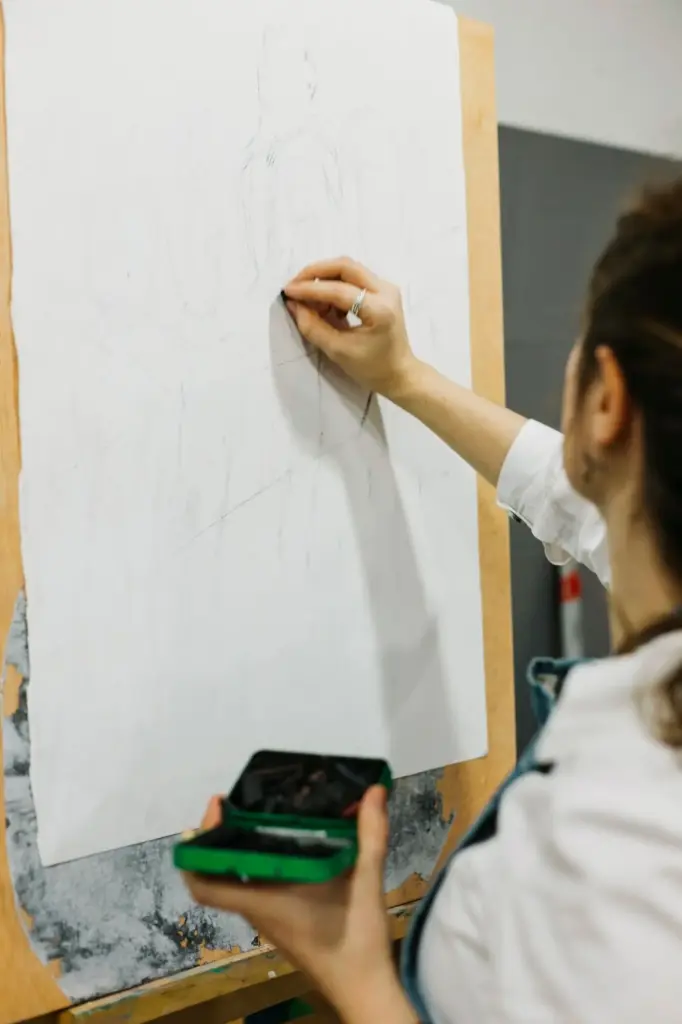
Make Ideas Stick with Everyday Sketchnoting

Let’s explore sketchnoting for everyday learning, turning quick doodles and simple words into memorable, portable knowledge. Whether you’re studying, planning a project, or capturing a podcast on the bus, visual notes help ideas click, linger, and resurface. Expect friendly techniques, relatable stories, and small experiments you can try today without fancy tools or artistic talent. Subscribe for weekly prompts and share your sketches in the comments to inspire others and receive thoughtful feedback.

Why Visual Notes Work

Your brain loves pairing images with words. Dual coding creates two pathways for recall, while spatial layouts provide structure that plain paragraphs rarely deliver. With sketchnoting for everyday learning, fleeting details transform into anchored cues. Try noticing how a quick arrow, frame, or doodled face instantly sparks context during later reviews.

Words and pictures, stronger together

Combine concise labels with simple sketches to engage visual and verbal channels at once. Even stick figures and block letters work. The goal is legibility, not gallery perfection. Later, your brain recognizes shapes faster than sentences, guiding recall before you consciously search for information.

Chunking for clarity

By grouping details inside boxes, lines, and columns, you reduce cognitive load and create mental shelves for ideas. Headings become anchors, bullets become frames, and arrows narrate relationships. This architecture supports scanning, quick updates, and collaborative conversations when you revisit notes with teammates or classmates.

Emotion as a memory magnet

A tiny doodle representing surprise, struggle, or delight activates emotional tagging, which strengthens memory. Mark confusion with a cloud, capture aha moments with a starburst, and sketch a tiny clock for deadlines. Emotions plus timing make your pages feel lived in and easier to revisit.

Tools You Already Have

You do not need an expensive notebook or stylus to begin. A pen, a scrap card, and your phone’s camera are enough to capture learning wherever it happens. Start messy, improve gradually, and share snapshots with peers. Consistency, not gear, compounds results and builds confidence quickly.

Shapes that structure thinking

Use a headline bar, a wide margin, and a grid of boxes to anchor ideas. Shapes communicate purpose: circles for people, rectangles for steps, triangles for decisions. Keep line weight consistent, reserve bold outlines for emphasis, and avoid clutter by leaving generous breathing space.

Connectors, arrows, and flow

Arrows show direction, connectors show relationships, and swimlanes prevent confusion during complex discussions. Label flows with verbs, mark dependencies with dotted lines, and place small clocks near bottlenecks. These consistent signals speed comprehension for you and anyone who later scans your pages for decisions.

Commutes and transitions

Transitions are perfect for capture because the stakes are low and attention is available. Jot a quick headline, draw three boxes for points, add a final arrow toward next actions. Share a snapshot with a friend, asking for one suggestion or missing link.

Meetings that matter

Before a meeting, pre-draw titles and empty containers to frame outcomes. During discussion, listen for verbs, constraints, and owners. Afterward, circle decisions in bold, convert doodles into tasks, and send a photo to participants. This visual summary reduces ambiguity and accelerates follow-ups.

Learning from media

While listening to a lecture, audiobook, or podcast, map the structure with a timeline, chapters, and callouts. Capture one quote, one claim, and one question. Post your sketch with a short reflection, inviting others to challenge, confirm, or expand the ideas together.

From Sketch to Action

Notes become powerful when they lead to action. Turn pages into calendars, checklists, and experiments. Add small boxes beside insights to mark trials, outcomes, and next steps. During weekly reviews, highlight patterns, retire ideas that stalled, and double down on practices that deliver results.

Handling Imperfection and Building Confidence

No one starts as a confident visual note-taker. Lines wobble, spacing drifts, and symbols feel awkward. That is learning in action. Celebrate small improvements, keep pages dated, and track favorites. Over weeks, you will notice smoother layouts, clearer summaries, and a distinct voice emerging.
Votuzapufakifaletoni
Privacy Overview

This website uses cookies so that we can provide you with the best user experience possible. Cookie information is stored in your browser and performs functions such as recognising you when you return to our website and helping our team to understand which sections of the website you find most interesting and useful.